Skip to content

Materials & craft

What goes inside the cabinet, why it's chosen, and how to look after it.

Touch it before you choose it.

Choose a material to see what it is and where it works. Look closer to move across the surface — grain, weave, edge and finish.
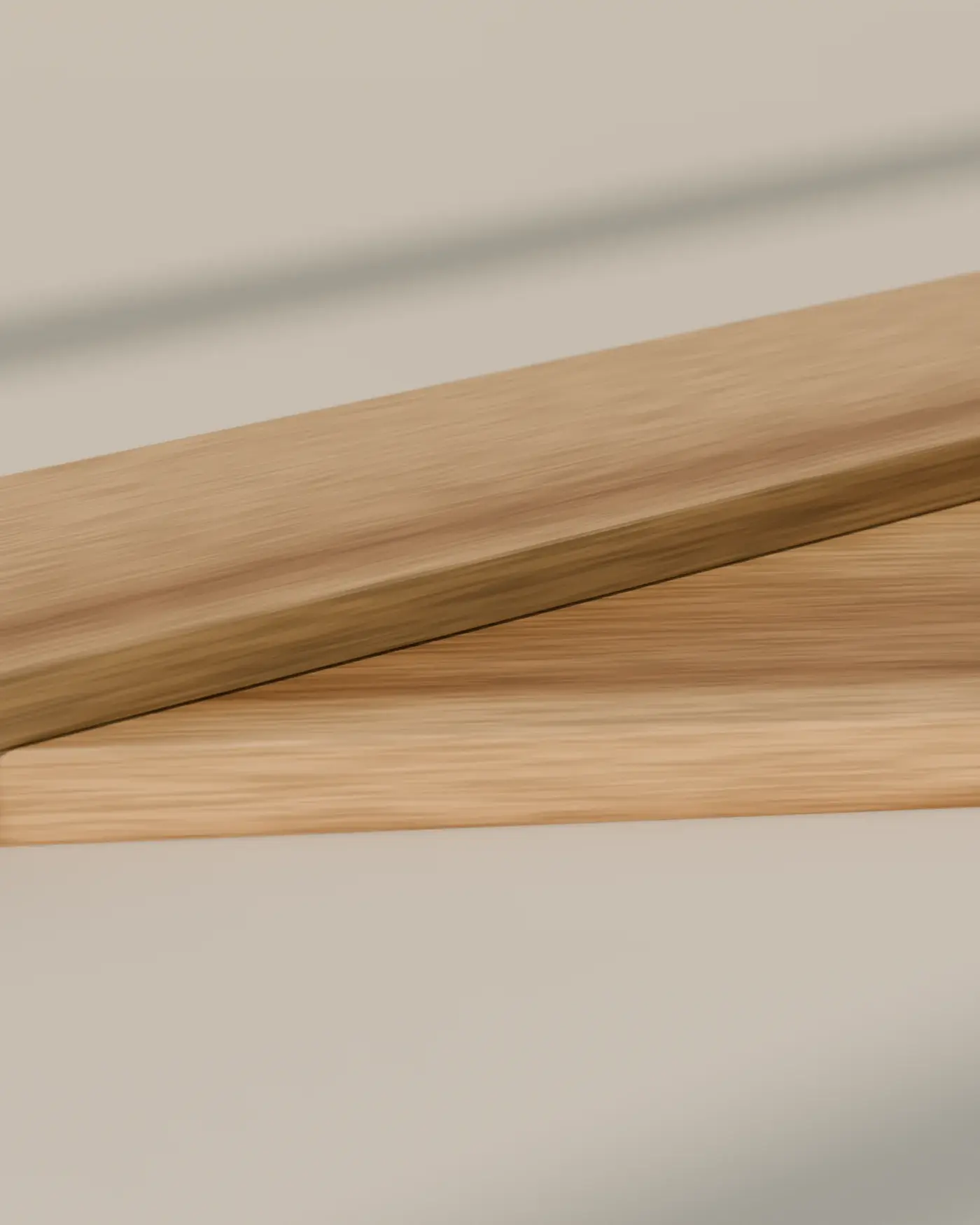
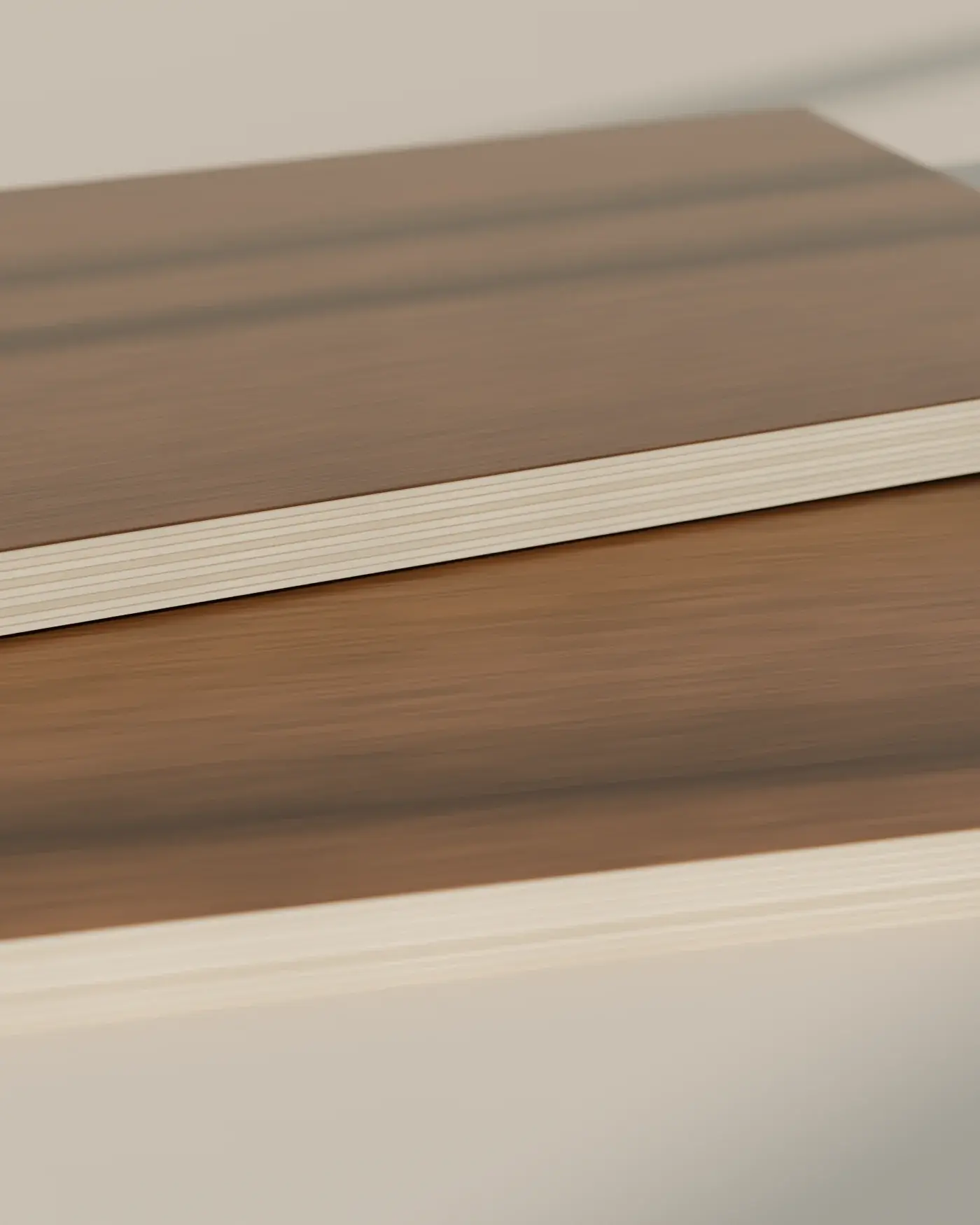
Two oiled oak boards in raking daylight, their grain running along the length

Solid timber is warm to the touch and can be sanded and refinished. It moves a little with the seasons, so joints are designed to allow for it.

Where it works

Tables, shelves, frames and edges that are handled every day.

Inside the work

Close-ups from finished projects: edges, joints, drawers and hardware.
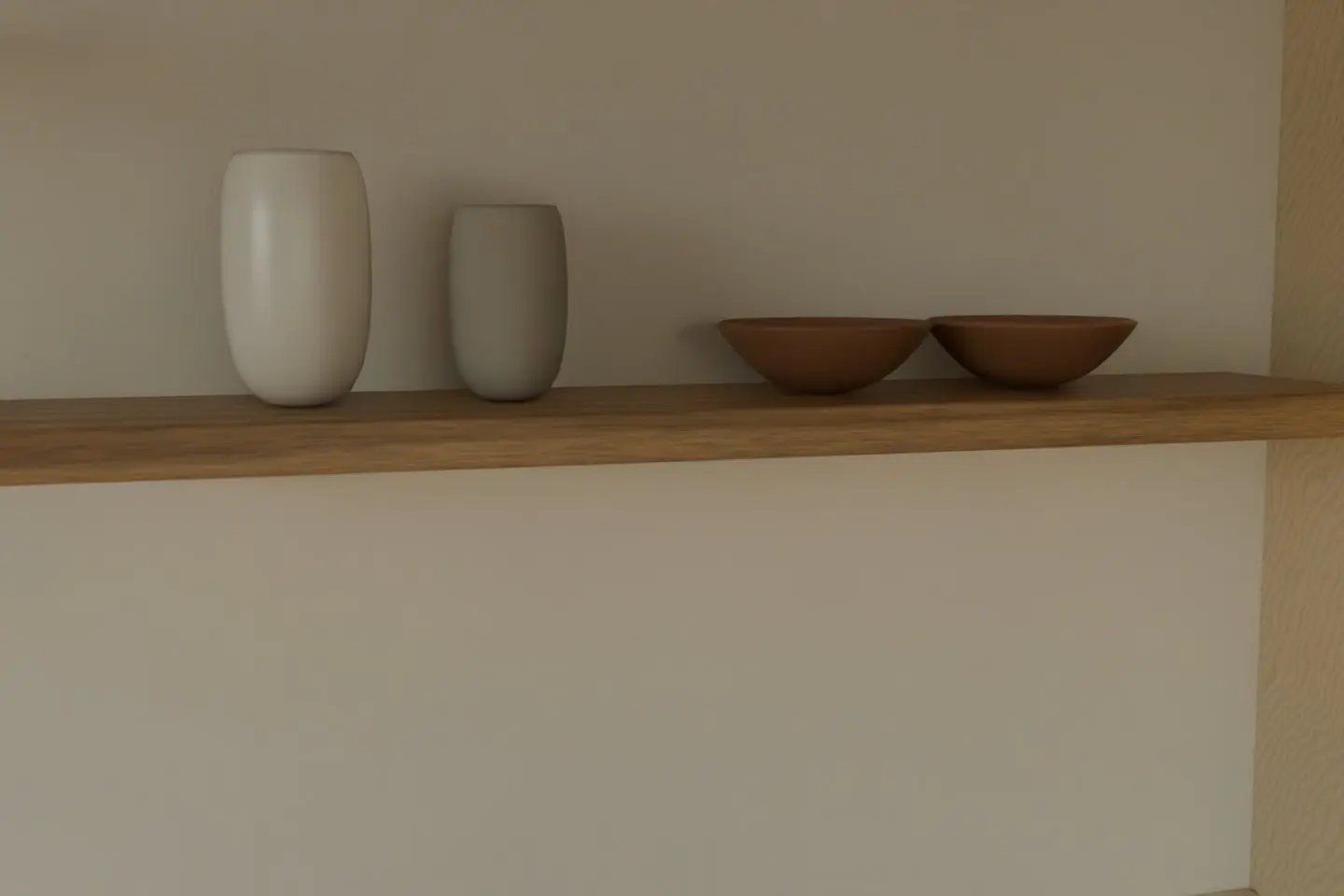
  • Concept render of an oiled oak shelf with stoneware vases and bowls
    Breakfast shelf — oiled oak
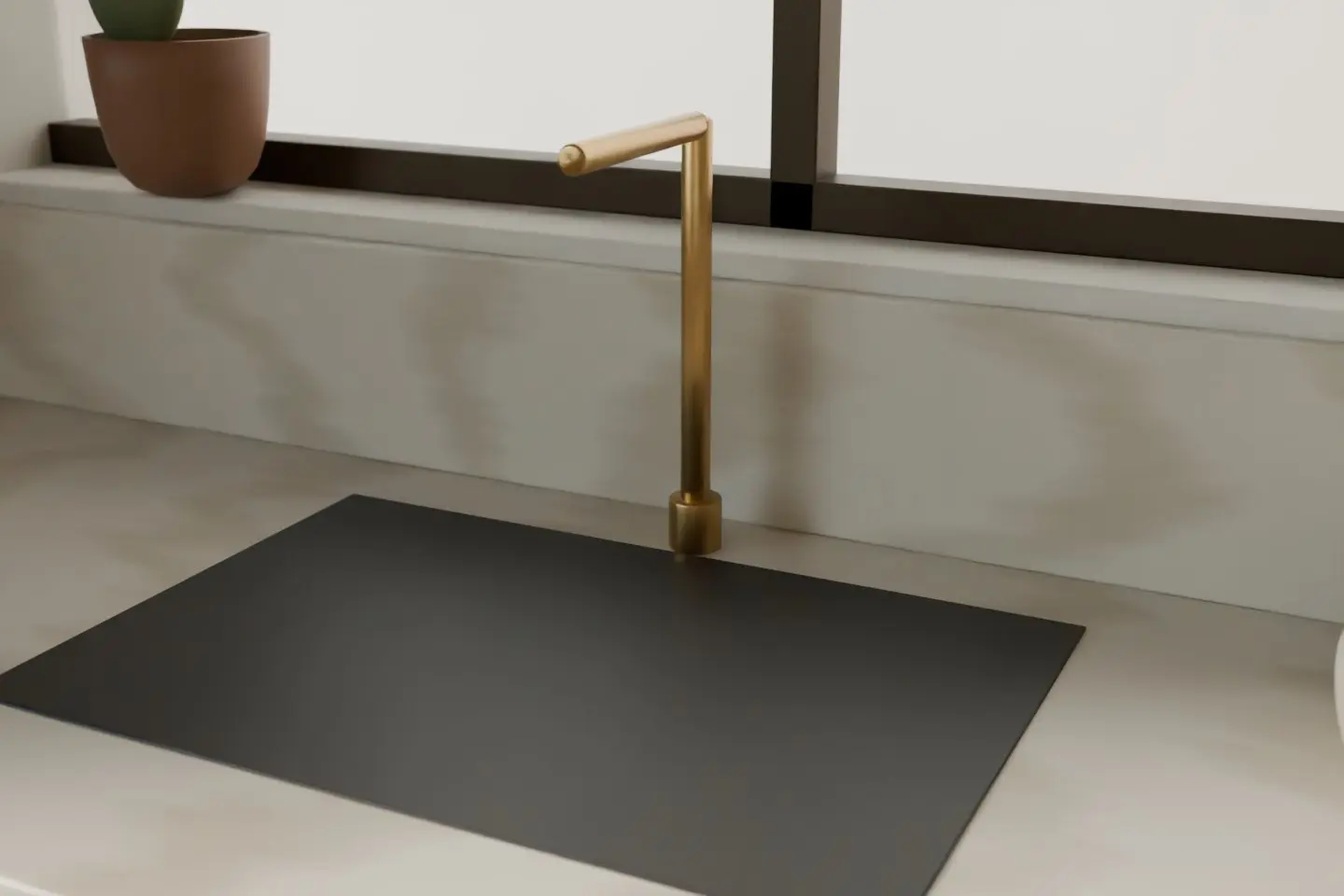
  • Concept render of a brushed brass tap over an undermount sink in a pale stone worktop
    Sink — brushed brass tap, stone worktop
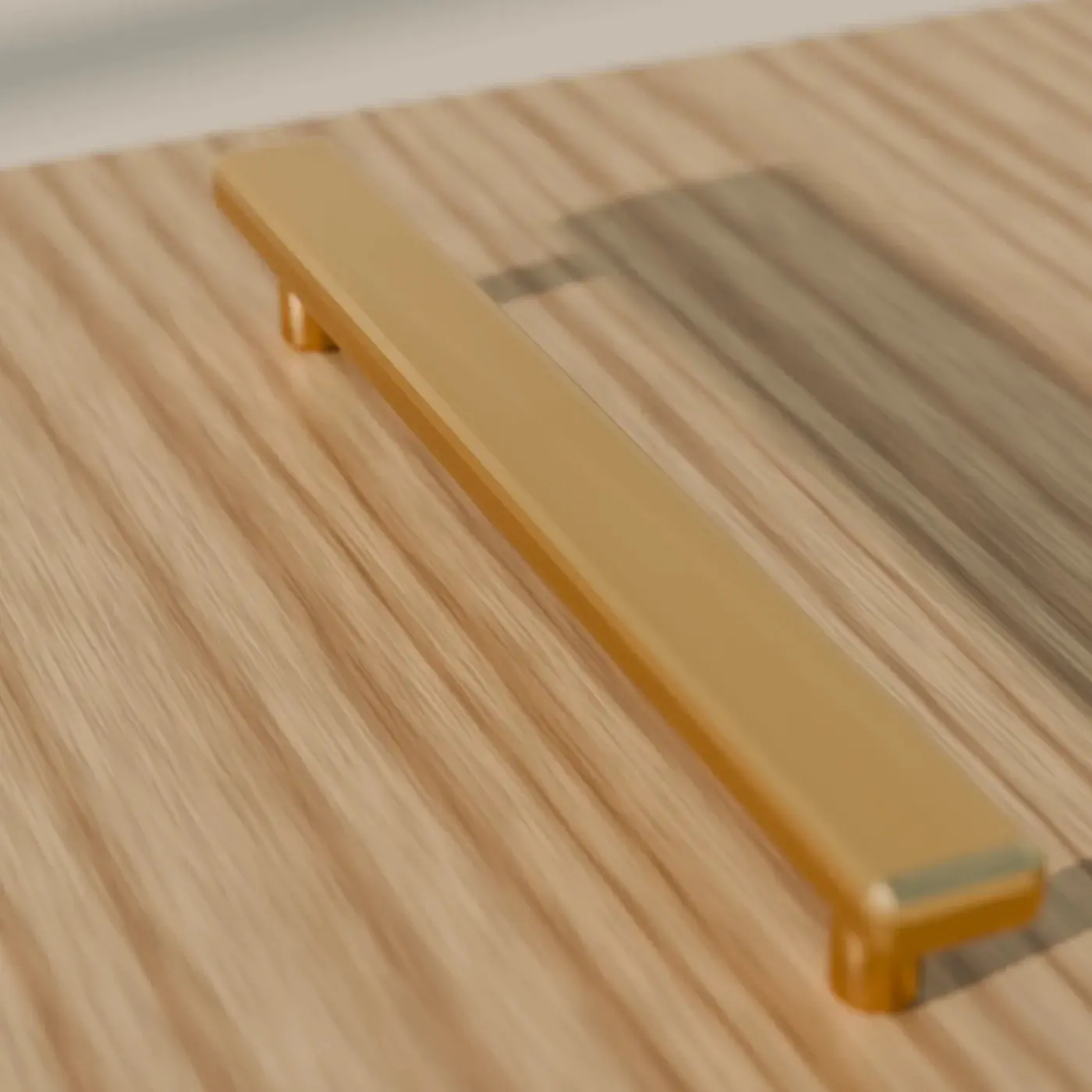
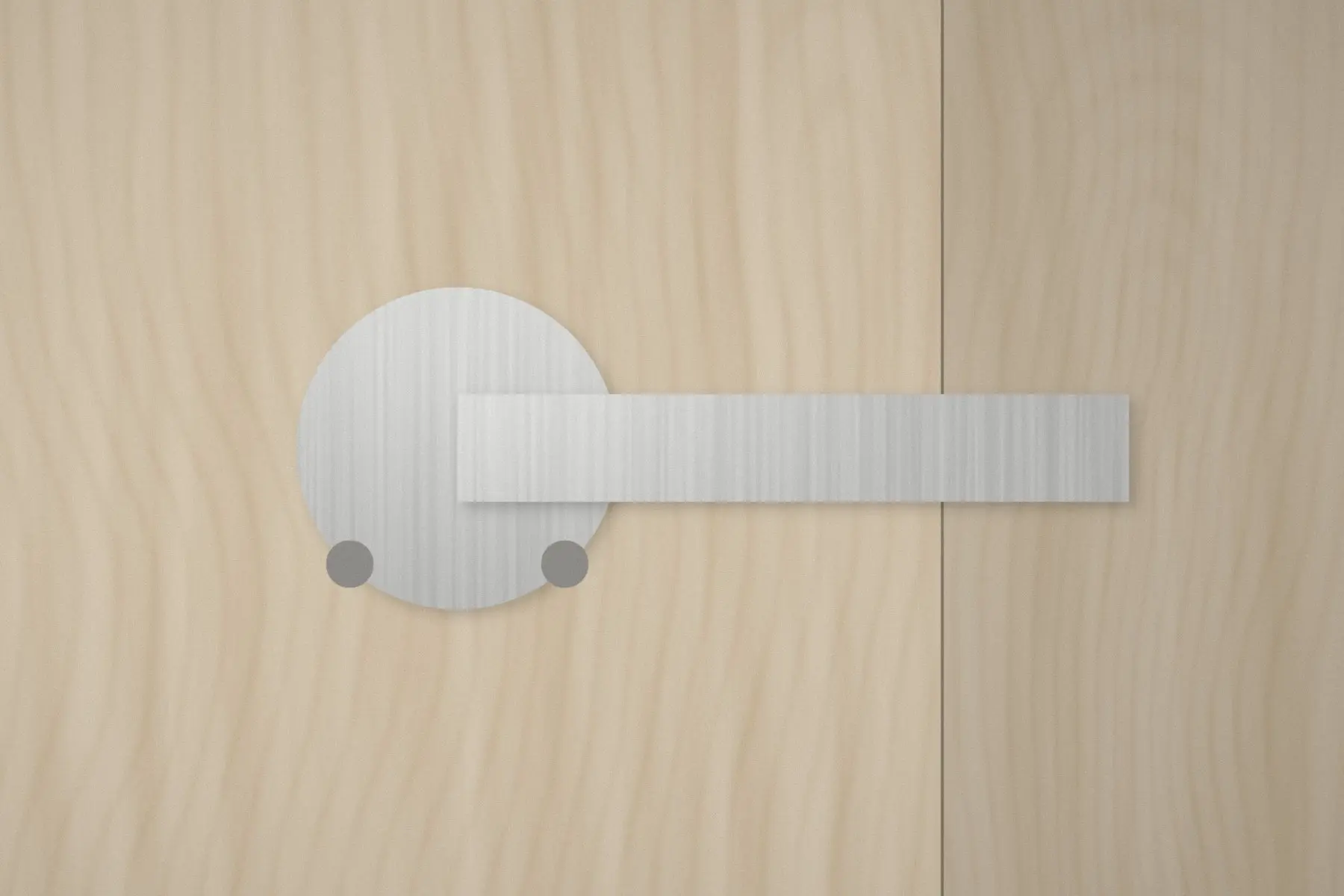
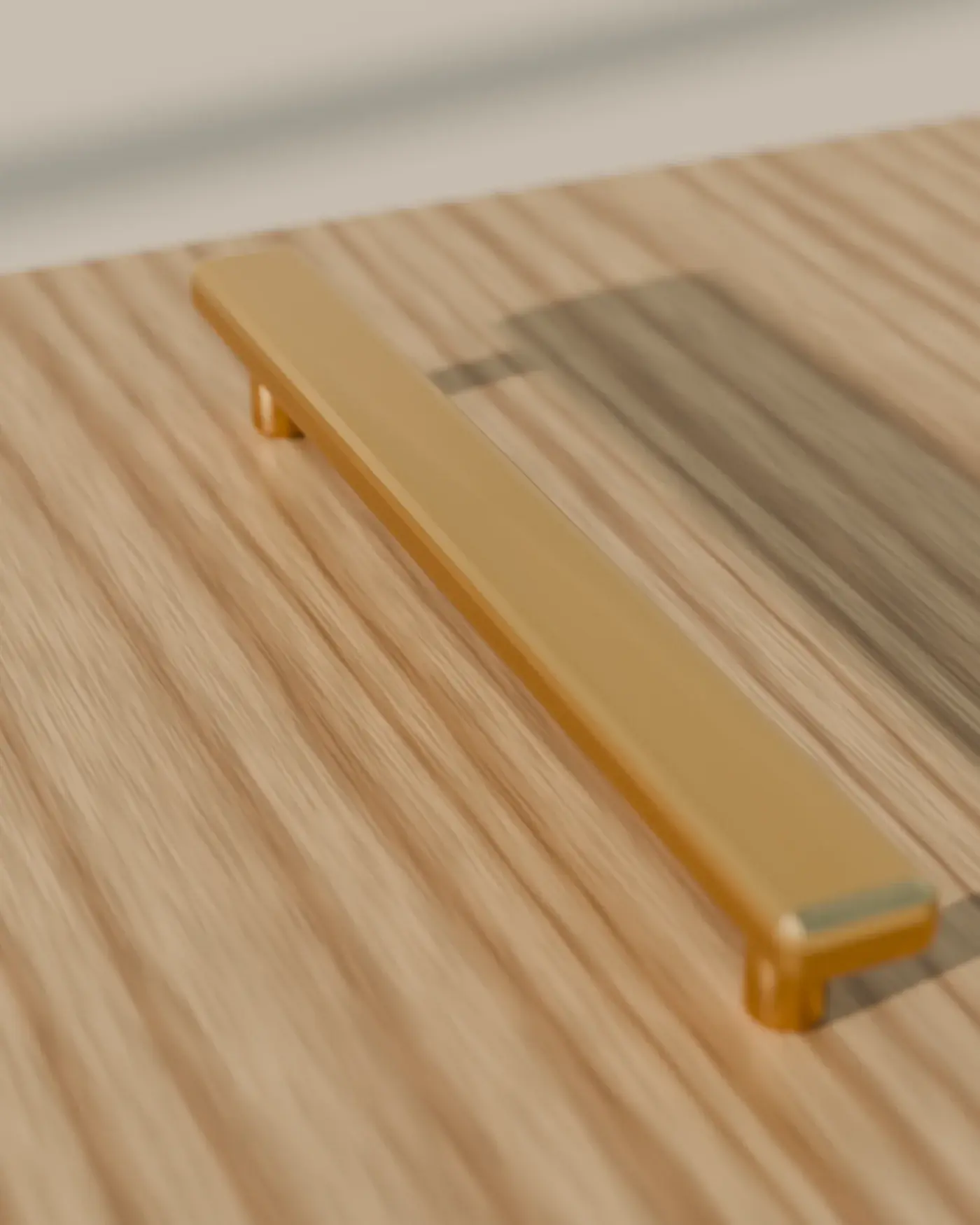
  • Concept render of a brushed brass bar handle on oak
    Handle — brushed brass bar
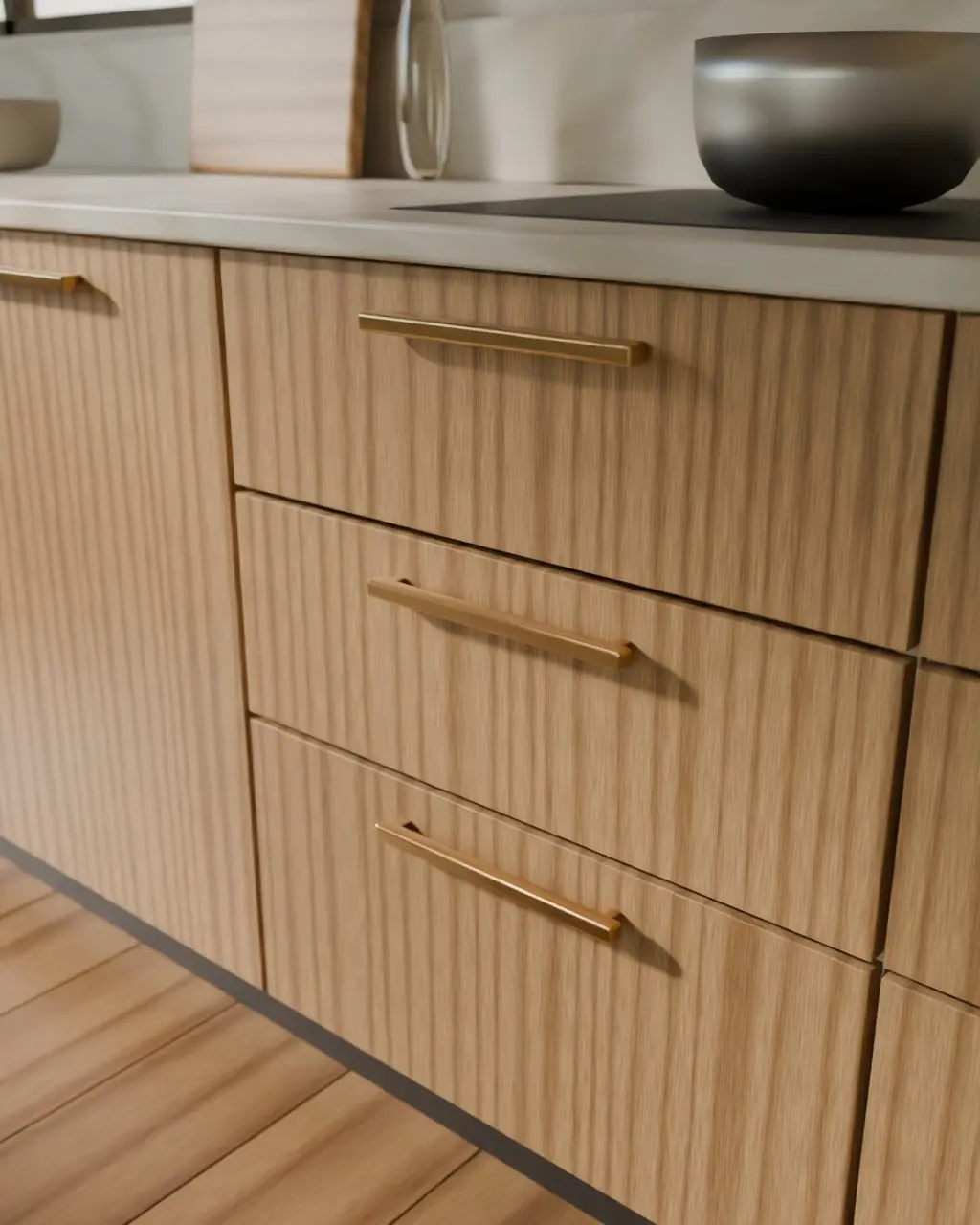
  • Concept render: deep oak-veneer drawers with slim brass pulls
    Deep drawers — oak veneer, brass pulls

Finishes compared

The surfaces you see and touch every day, side by side: where each one is at its best, and what to watch for.
Laminate

Best for
Hard-working shutters, interiors and commercial counters.
Watch for
Edges show a line; wood prints don't age like real timber.

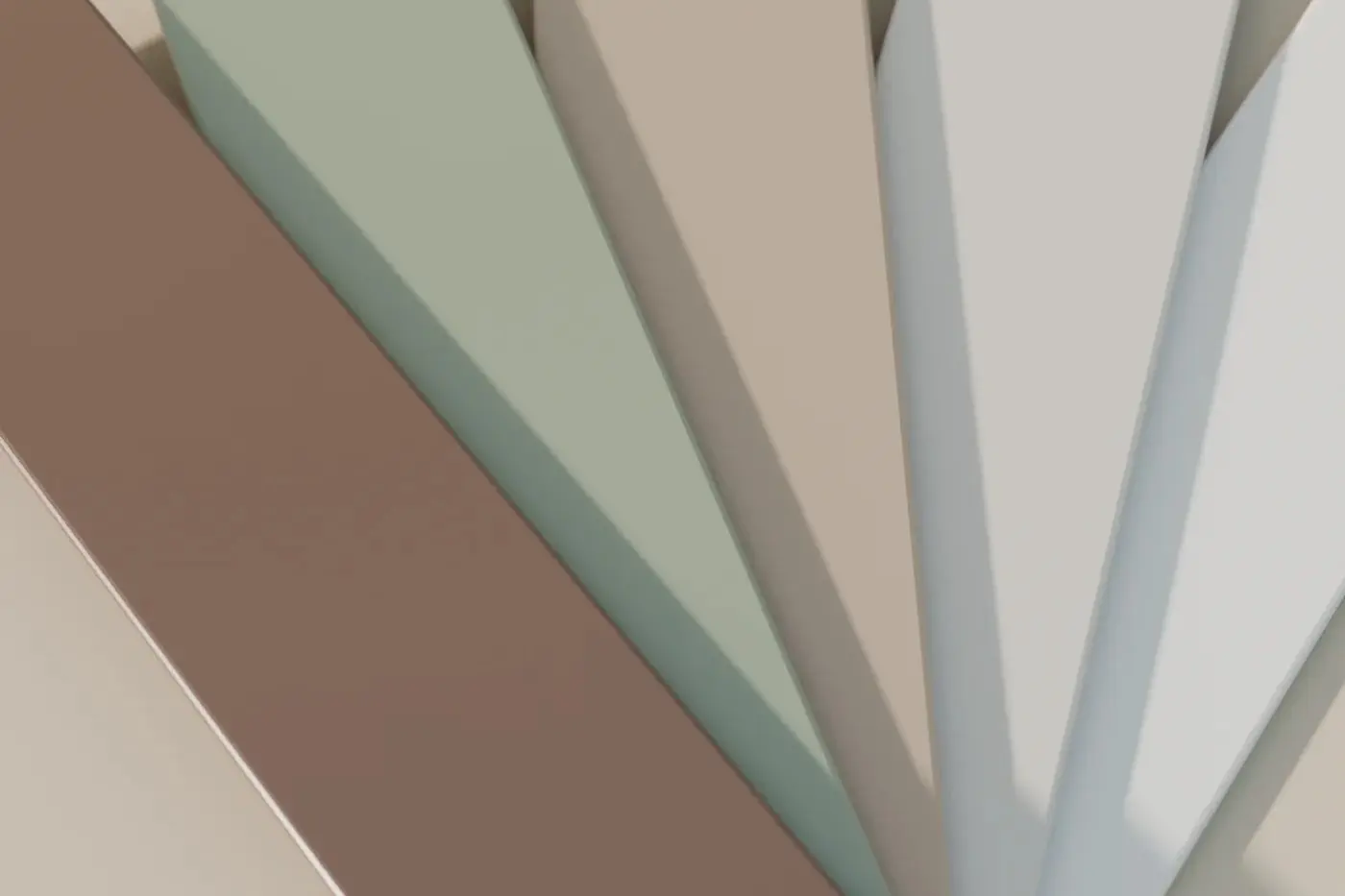
Matte lacquer

Best for
Kitchen and wardrobe shutters where a calm, solid colour is wanted.
Watch for
Chips can happen on sharp knocks and need a careful touch-up; pale colours show marks.

Oak veneer

Best for
Wardrobe fronts, shelving and panelling where real wood grain is wanted.
Watch for
Colour varies naturally between leaves; deep scratches are harder to repair than on solid wood.

Material library

Boards & cores

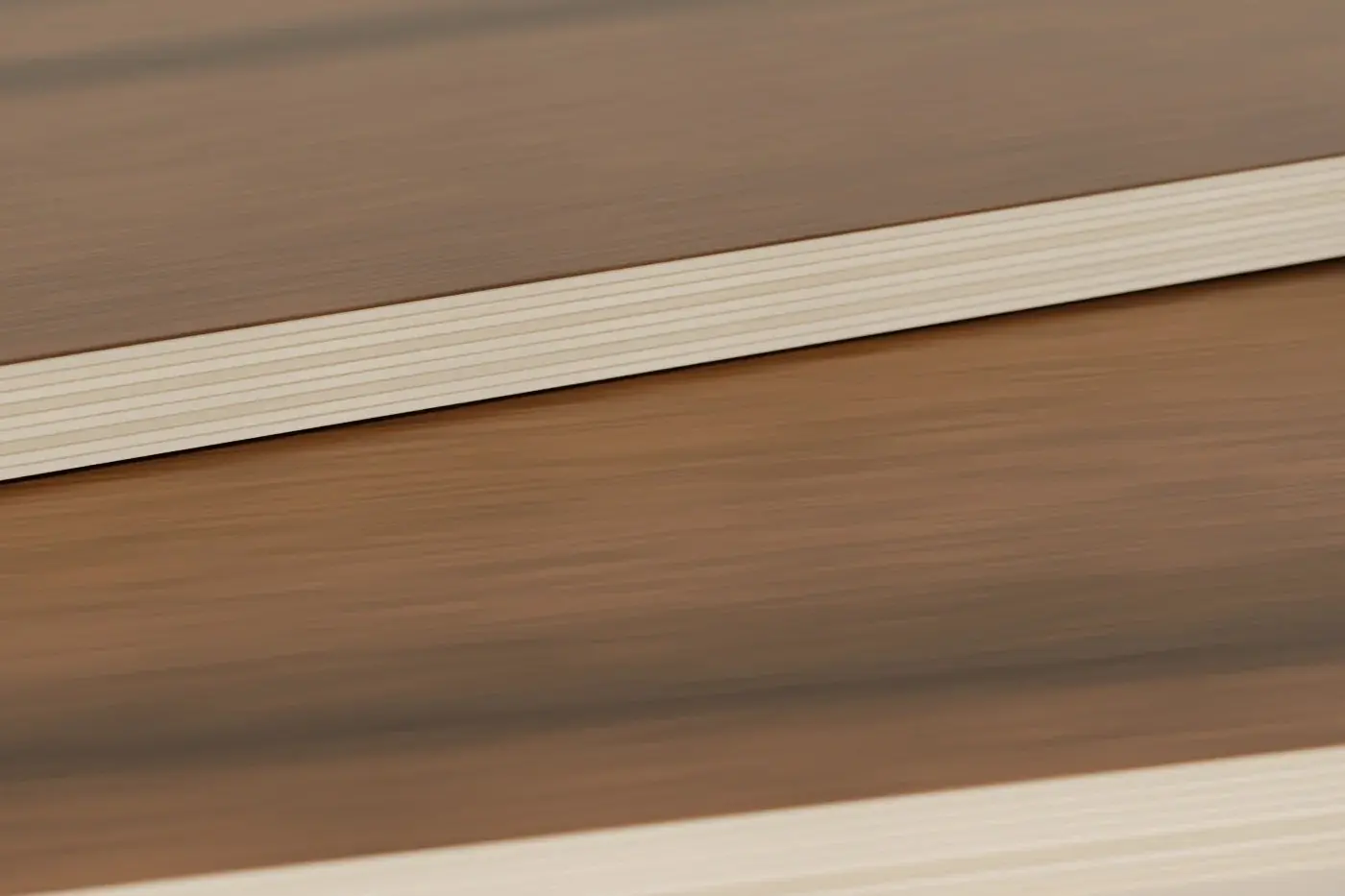
Concept render: boards seen edge-on, showing the layers of the core beneath the veneer
Board edges — the layers that give it strength

Boiling-water-resistant plywood

What it is
Plywood made from thin wood layers bonded with a water-resistant adhesive, often called BWP or marine-grade. It is the box behind the door — the part you rarely see.
Where we use it
Kitchen base units, bathroom vanities and anywhere near water.
Why
It holds screws well, resists swelling from spills and steam, and keeps its shape over years.
Trade-offs
Heavier and costlier than particle board; edges need banding or veneer to look finished.
Care
Wipe spills from edges promptly; keep sink cupboards ventilated.

Shutters

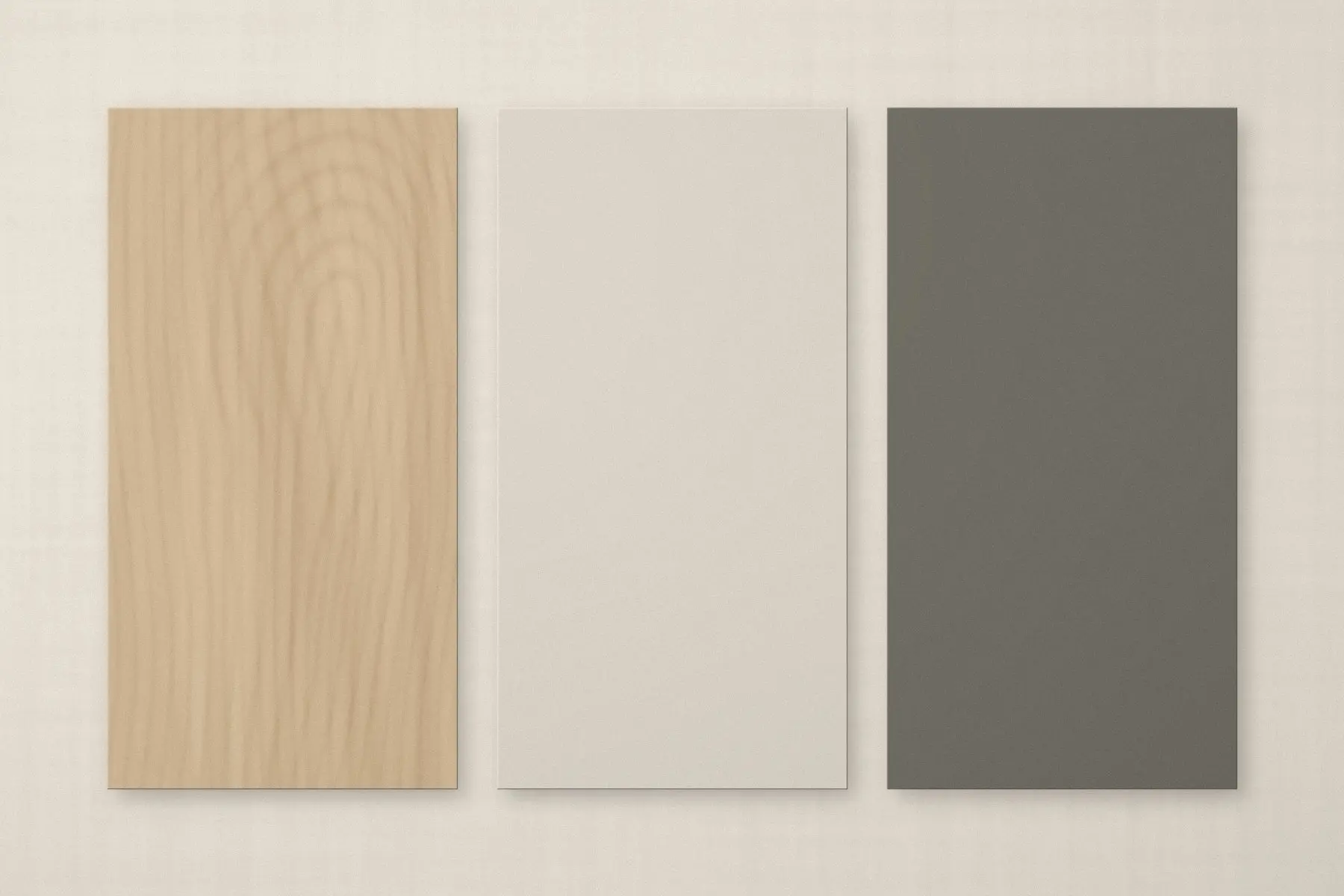
Illustration of three laminate samples: a wood print, a pale solid and a dark solid
Laminate samples

Laminate

What it is
A printed or solid-colour sheet pressed onto board under heat and pressure.
Where we use it
Hard-working shutters, interiors and commercial counters.
Why
Tough, easy to clean and available in many colours and wood looks.
Trade-offs
Edges show a line; wood prints don't age like real timber.
Care
Any mild cleaner; avoid hot pans directly on the surface.
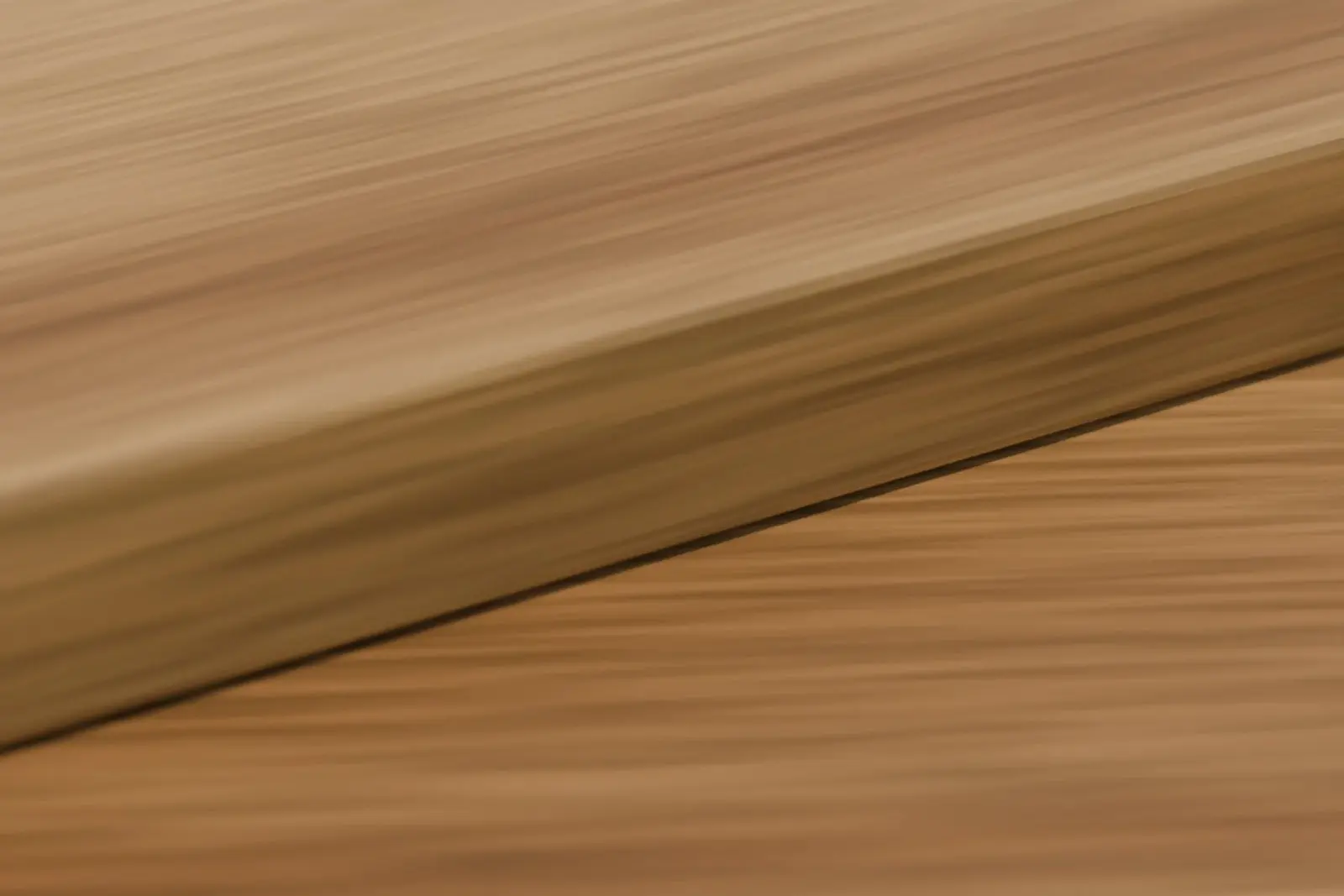
Concept render: close-up of oak, its straight grain in raking light
Oak — straight grain

Oak veneer

What it is
Thin leaves of real oak laid onto a stable board, often matched so the grain runs across doors.
Where we use it
Wardrobe fronts, shelving and panelling where real wood grain is wanted.
Why
Real timber character without the movement and weight of solid wood panels.
Trade-offs
Colour varies naturally between leaves; deep scratches are harder to repair than on solid wood.
Care
Dust and wipe with a barely damp cloth; keep out of long direct sun to limit colour change.

Finishes

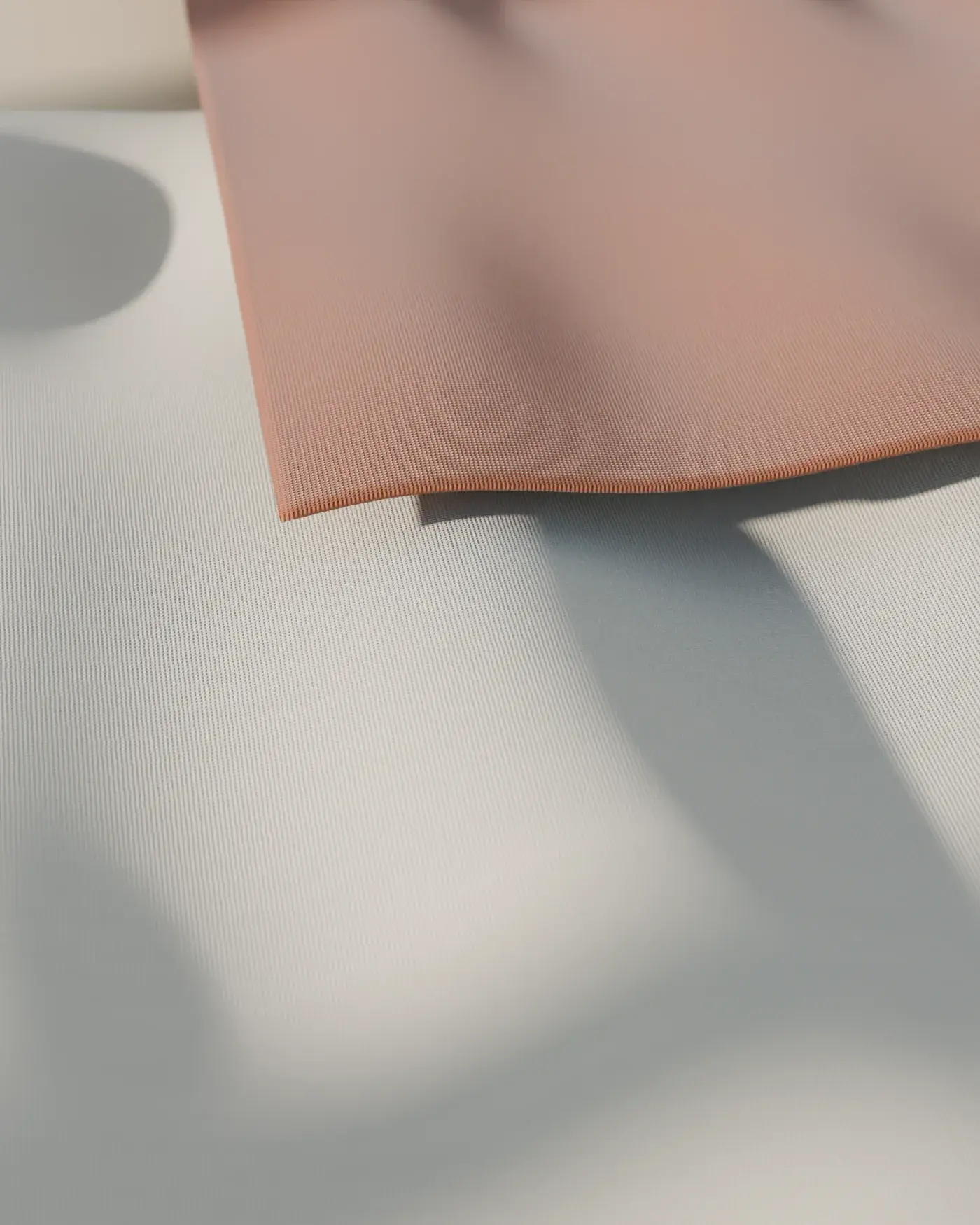
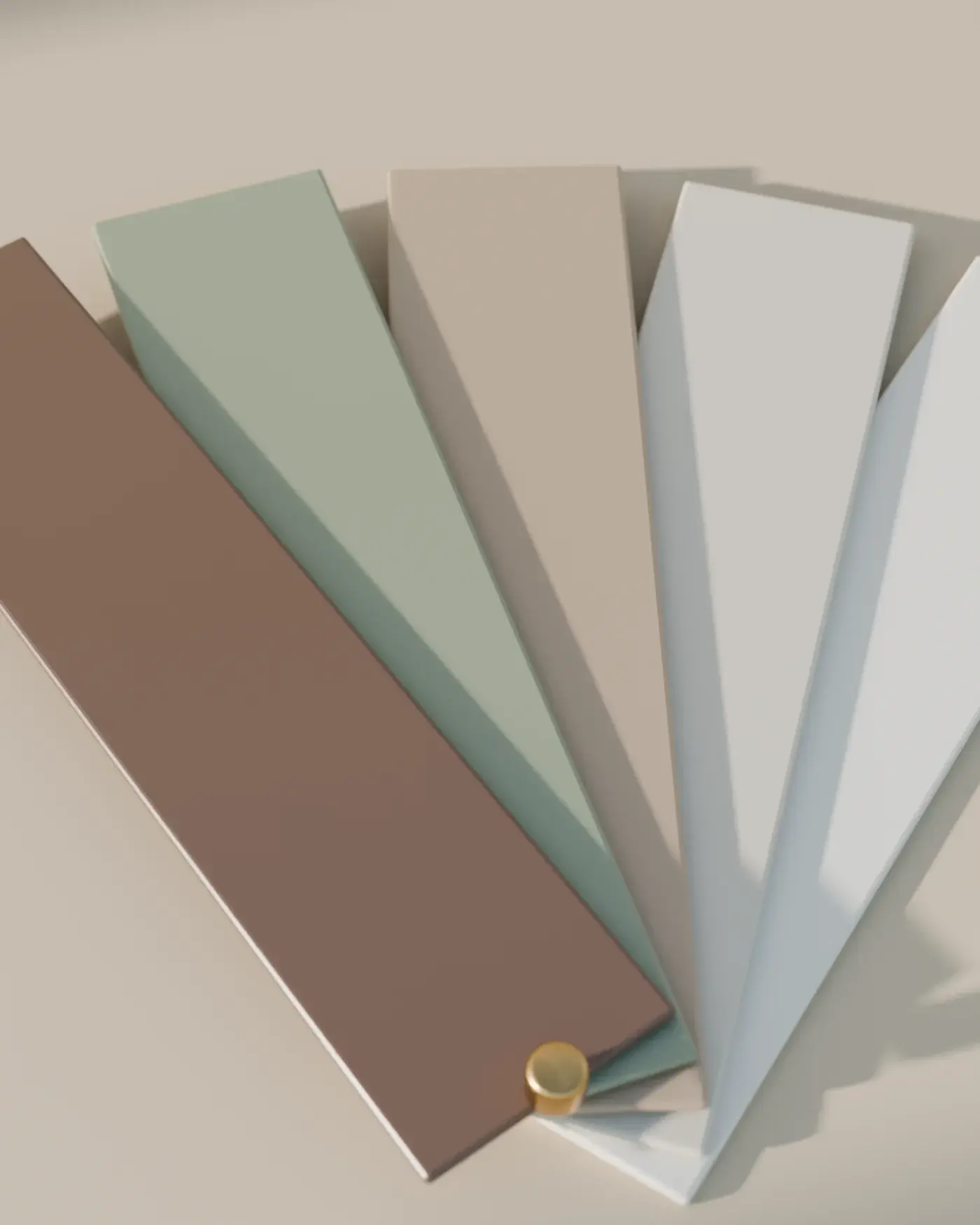
Concept render: a fan of matte lacquer samples in terracotta, sage, stone, grey and white
Lacquer samples — five colourways

Matte lacquer

What it is
A sprayed paint finish on board, built up in layers and sanded between coats.
Where we use it
Kitchen and wardrobe shutters where a calm, solid colour is wanted.
Why
Any colour is possible, and a matte surface hides fingerprints better than gloss.
Trade-offs
Chips can happen on sharp knocks and need a careful touch-up; pale colours show marks.
Care
Soft cloth and mild soap; no abrasive pads.

Hardware

Illustration of a concealed cup hinge and mounting plate inside a door
Concealed hinge

Soft-close hinges

What it is
Concealed cup hinges with a damper that slows the door for the last few centimetres.
Where we use it
Every hinged door in kitchens and wardrobes.
Why
Doors close quietly and stay aligned; adjustment screws let doors be re-levelled over time.
Trade-offs
Quality varies widely; cheaper dampers weaken over time.
Care
Re-adjust if a door drops; keep hinges free of grit.

Edges

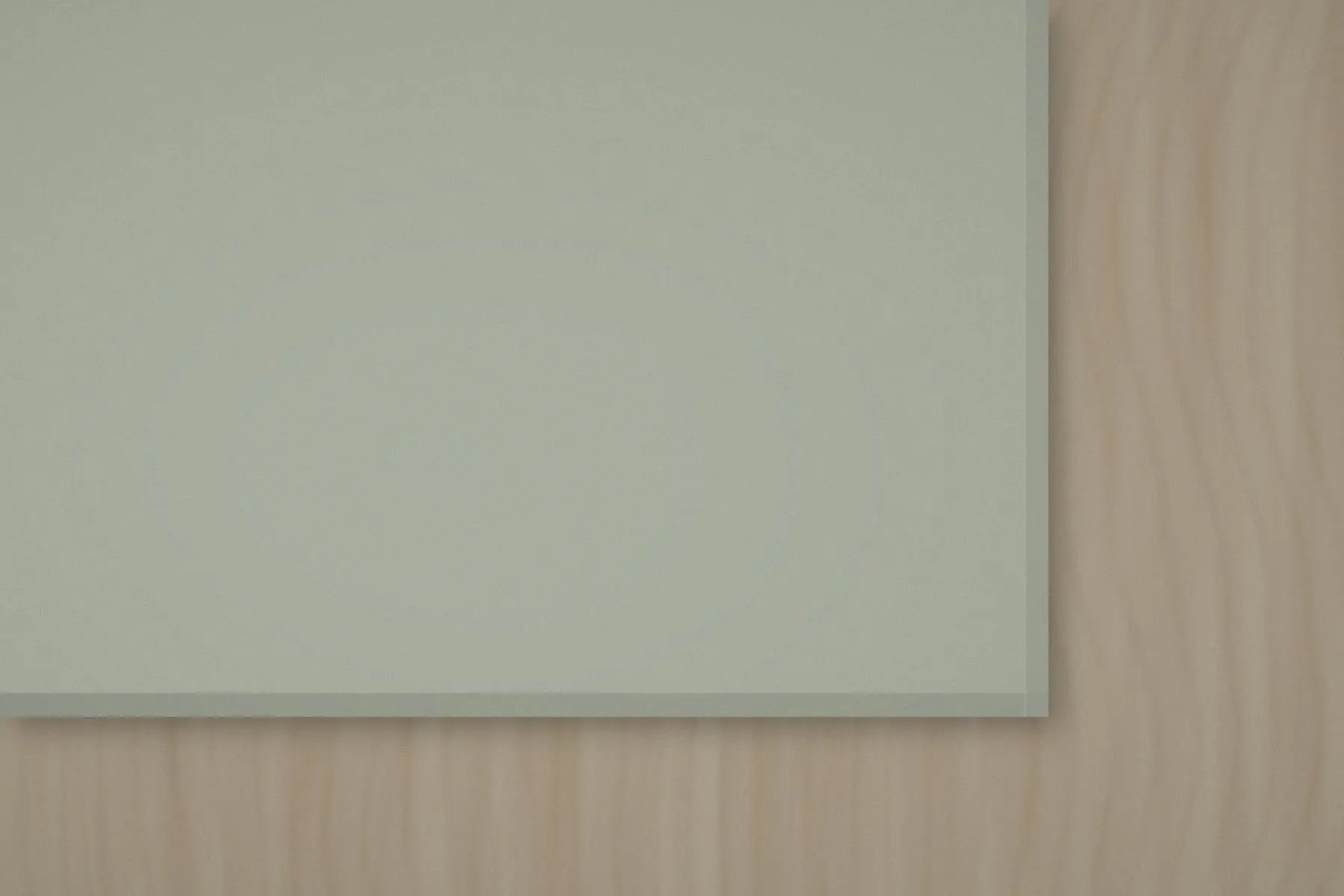
Illustration of a lacquered door corner with a matching band on its edge
Door corner — banded edge

Edge banding

What it is
A thin strip applied to the exposed edges of boards, matched to the face finish.
Where we use it
Every visible edge of shelves, carcasses and doors.
Why
It seals the board against moisture and knocks, and makes a cut panel look solid.
Trade-offs
Thin bands can lift if applied poorly; thicker bands are more durable but visible as a line.
Care
Avoid prolonged water on edges; wipe dry.

Surfaces & counters

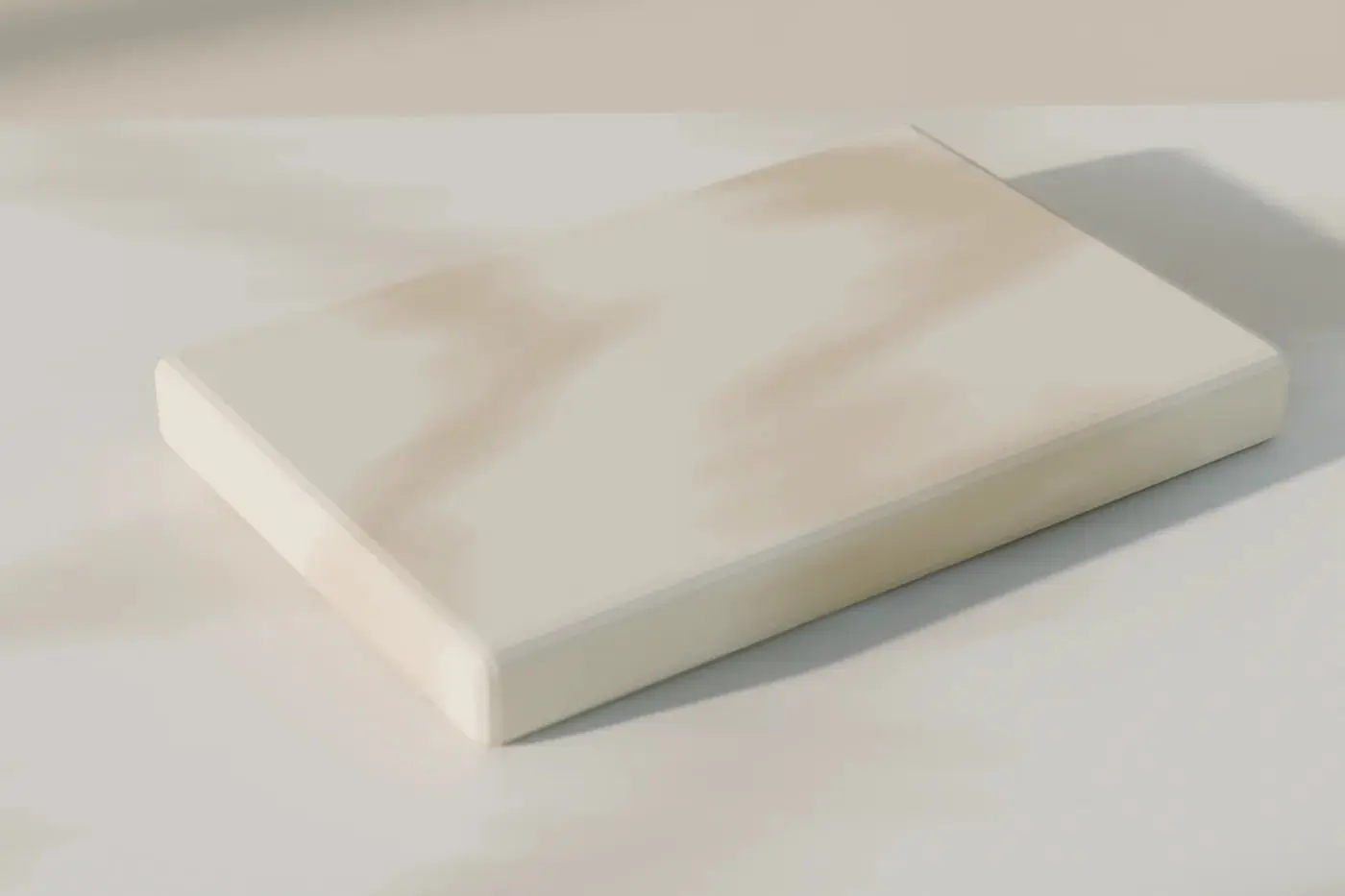
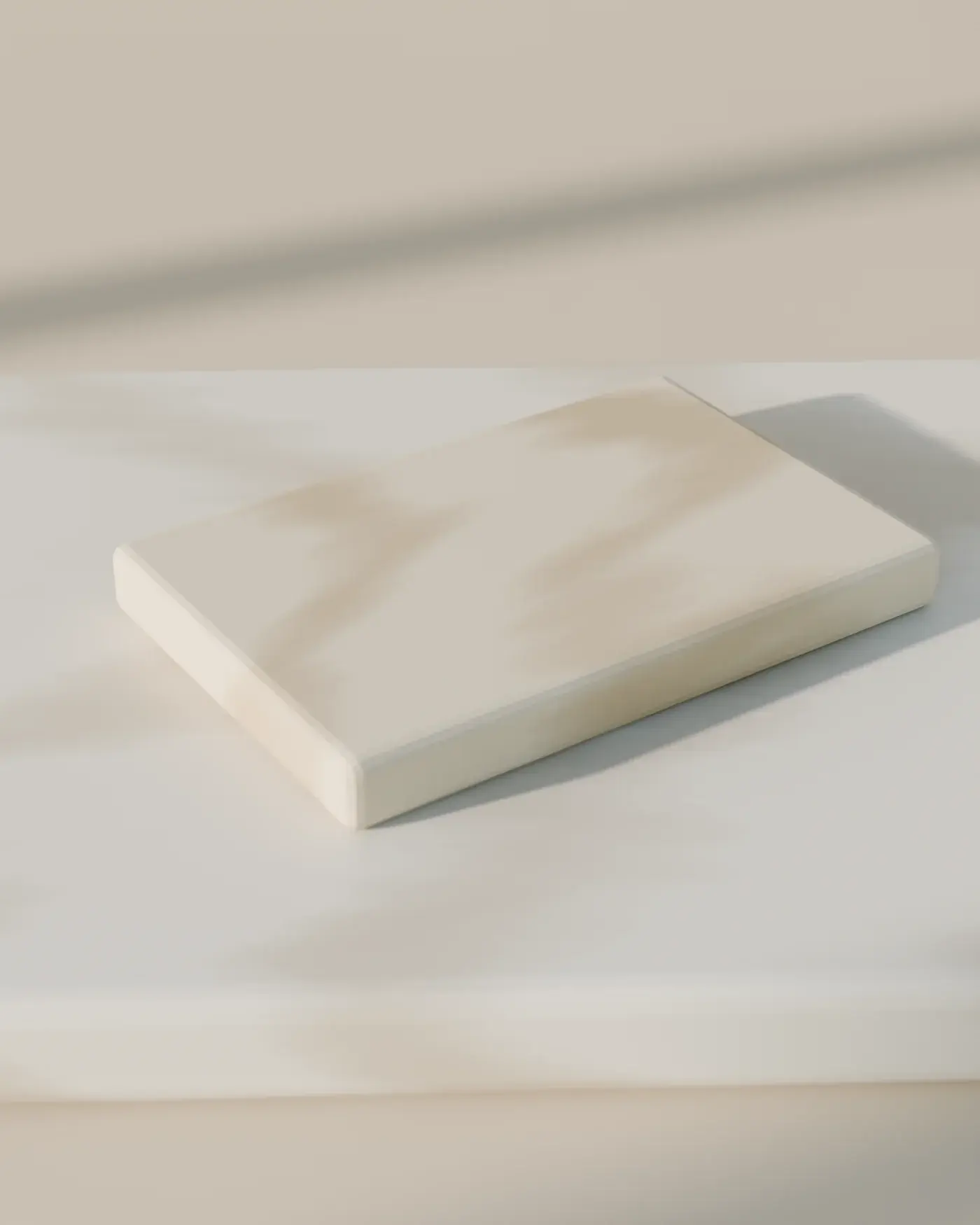
Concept render: a honed stone sample with an eased edge, resting on a pale worktop
Honed stone — eased edge

Stone worktops

What it is
Natural or engineered stone slabs, cut and finished on site templates.
Where we use it
Kitchen worktops, splashes and vanity tops.
Why
Heat- and wear-resistant, with a weight and presence that board can't match.
Trade-offs
Some natural stones stain or etch; engineered stone is more uniform but less varied.
Care
Wipe acids and oils promptly; reseal natural stone as advised for the type.

Glass

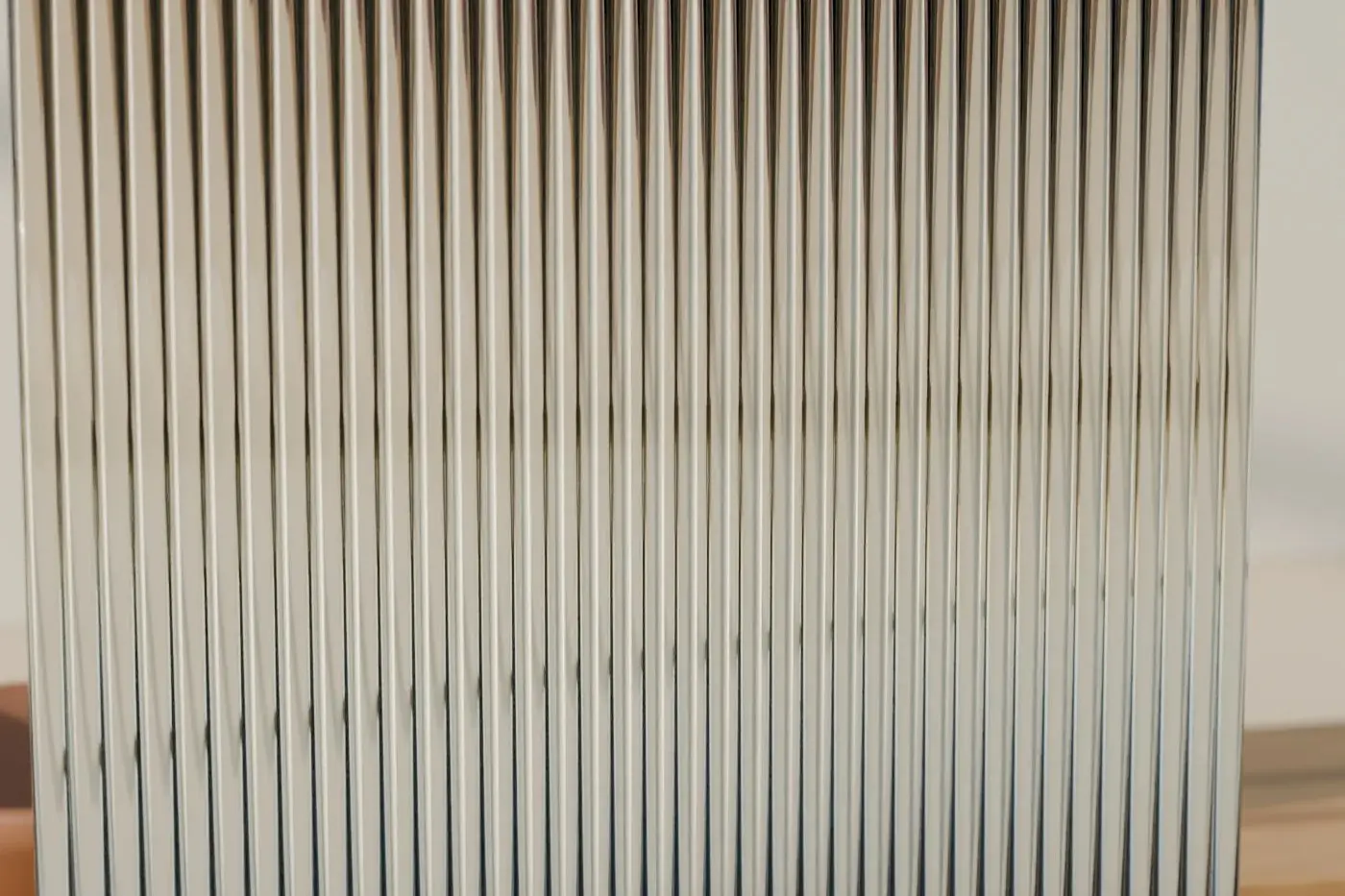
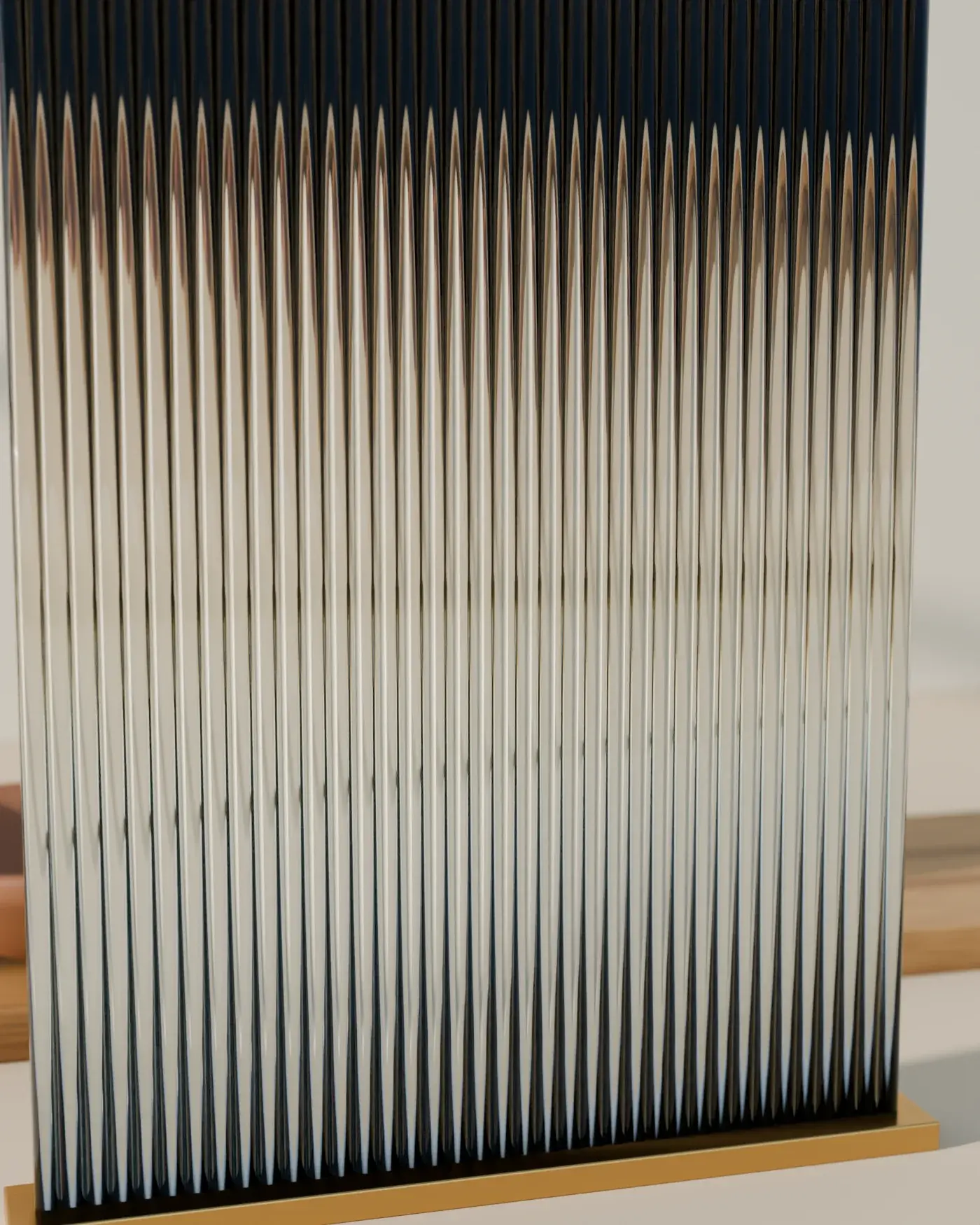
Concept render: a reeded glass panel on a brass foot, blurring the light behind it
Fluted glass

Fluted glass

What it is
Glass with vertical ribs that blur what's behind it while letting light through.
Where we use it
Cabinet doors, partitions and shower screens.
Why
Privacy and softness without losing light.
Trade-offs
Ribs collect dust and need a little more cleaning than flat glass.
Care
Soft brush along the ribs, then a glass cleaner.

Built for monsoon humidity, dust and dry heat

Humidity in the monsoon, dust, and dry heat all affect boards, finishes and hardware. We explain which materials suit which rooms, and why.

Visit the workshop page

Tell us about your space

Any size of project is welcome. You'll speak to a person, not a sales script.

What happens next

  1. We call you back to understand the space and what you need
  2. We visit to measure and talk through ideas
  3. You receive a first layout and a clear next step

May we use Google Analytics to see which pages are useful? No advertising cookies. Privacy